
Cold Storage Doors: Types, Applications and Selection Guide for Refrigerated Facilities
What Is a Cold Storage Door?
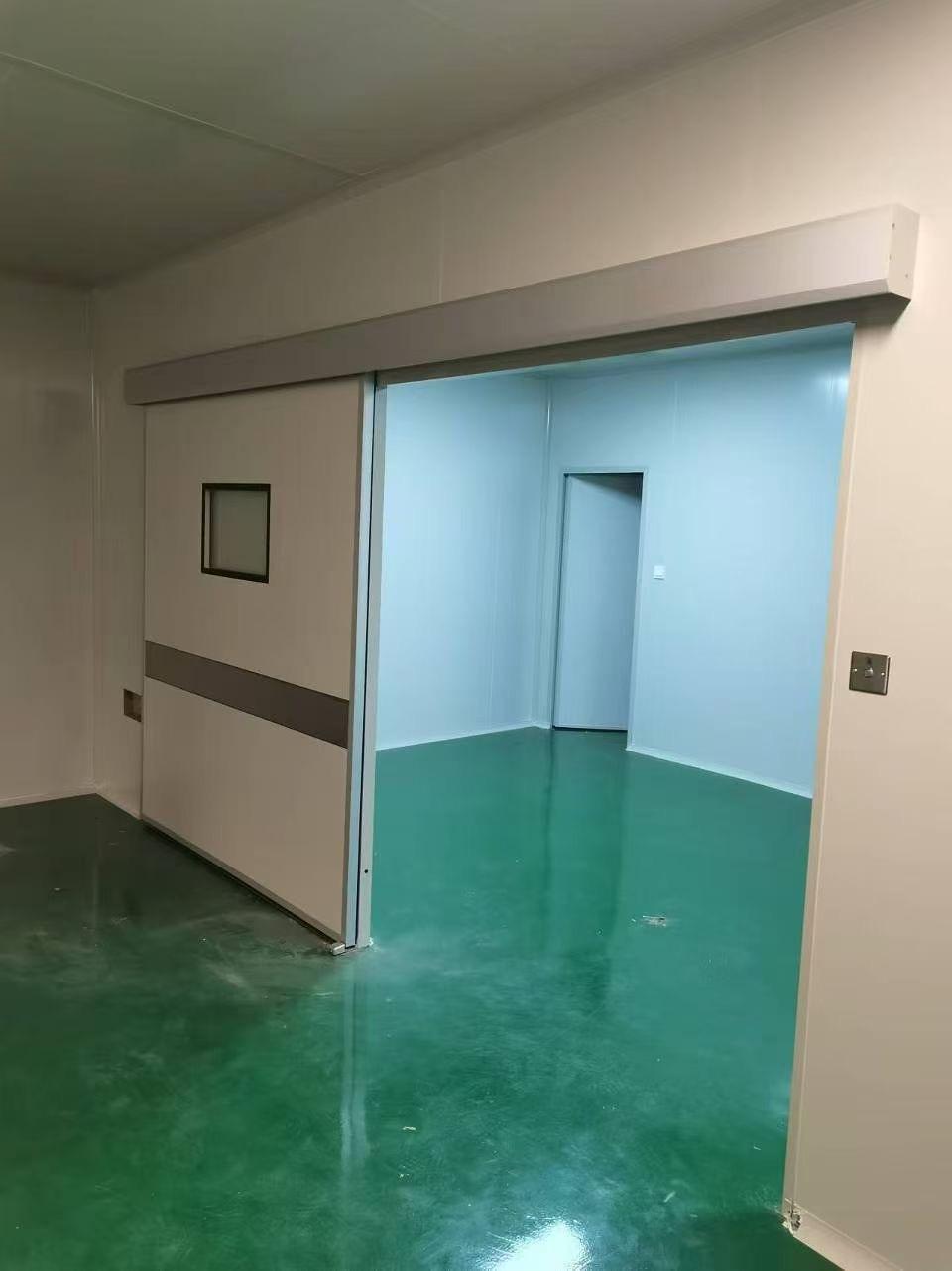
A cold storage door is an insulated door designed to reduce heat transfer and air leakage between a temperature-controlled space and the surrounding environment. Unlike a standard industrial door, it must help manage condensation, frost, ice formation and energy loss.
International buyers may use different terms, including cold storage doors, cold room door, refrigerated warehouse door, freezer room door, chiller room door, cool room door and refrigeration door. These terms all refer to insulated door systems used in cold-chain and temperature-controlled facilities.
A typical system may include an insulated panel, PU or PIR insulation core, protective surface sheets, frame, perimeter seals, bottom seal, hinges or sliding hardware, handles, heating elements for low-temperature use and manual or electric operation.
- Maintains temperature separation at the doorway
- Reduces warm-air infiltration and cold-air loss
- Supports hygiene and durability in food or pharmaceutical facilities
- Can be configured as hinged, sliding, manual, electric or high-speed
Common Names Used by International Buyers
Cold storage door is the broadest product term and can describe insulated doors used in cold rooms, freezer rooms, refrigerated warehouses, food processing plants and distribution centers.
Cold room door usually refers to a door installed on a temperature-controlled chamber. Freezer room door is used for lower-temperature applications that may need thicker insulation, heated frames or other anti-frost measures. Chiller room door and cool room door are common names for chilled environments used for fresh food, dairy products, beverages and pharmaceutical products.
Refrigerated warehouse door normally describes a larger industrial opening used by forklifts, pallets and material-handling equipment. In these projects, insulation, traffic efficiency and durability must be considered together.
Main Types of Cold Storage Doors
Cold storage doors can be classified by opening method, operating method, temperature range and application. Hinged and sliding designs are the most common traditional types, while high-speed cold storage doors may be selected for high-traffic openings.
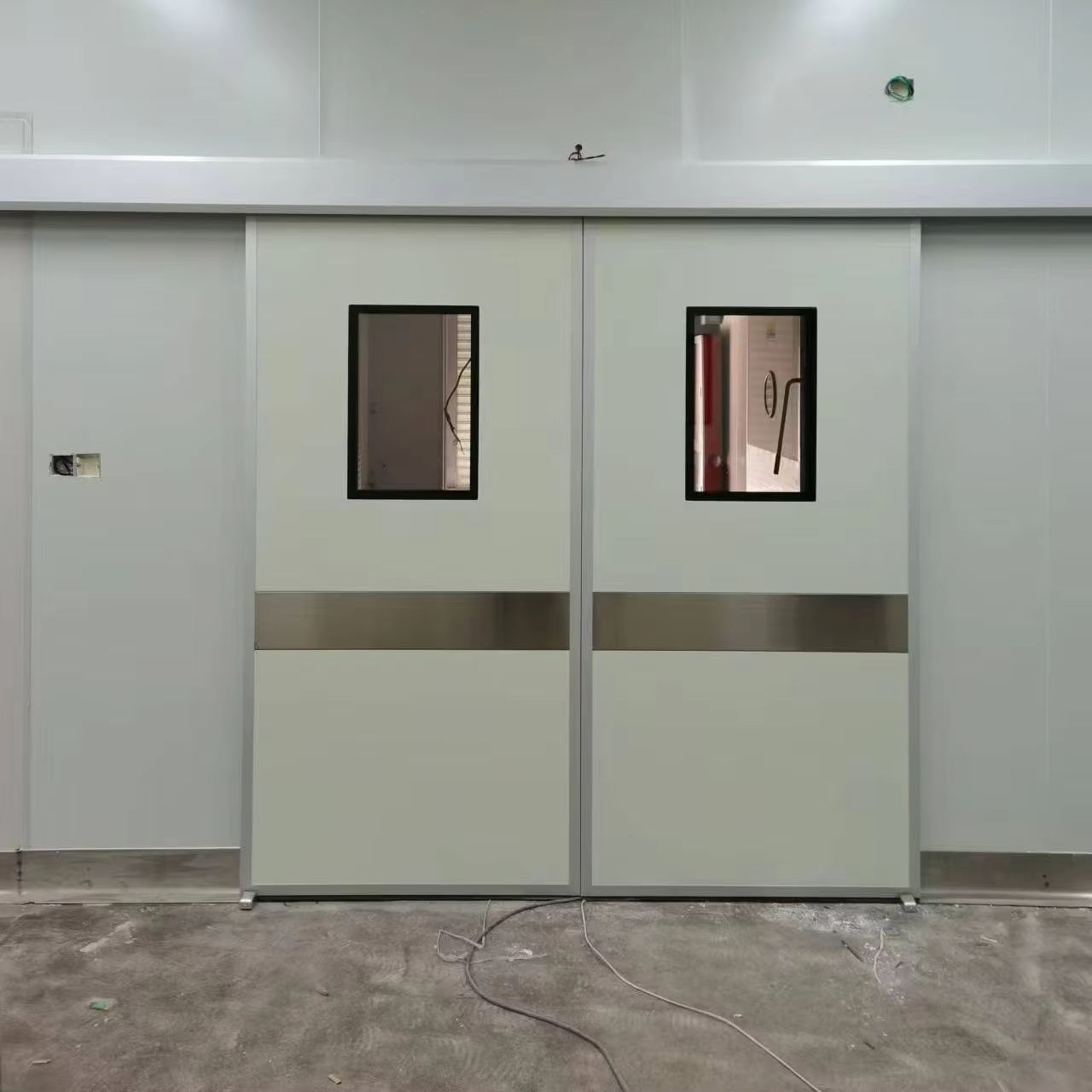
A hinged cold room door is simple and economical for smaller openings and personnel access. A sliding cold storage door is often more practical for larger openings, pallet access and warehouse traffic because it does not require swing space in front of the doorway.
| Door Type | Best Fit | Key Consideration |
|---|---|---|
| Hinged cold room door | Small cold rooms, kitchens, supermarket storage and personnel access | Requires enough swing space |
| Sliding cold storage door | Medium and large cold rooms, refrigerated warehouses and forklift access | Requires side clearance for the panel |
| Electric cold storage door | Larger openings or frequent daily operation | Motor, controls and safety devices should match traffic |
| High-speed cold storage door | Very frequent openings where open time must be minimized | Speed and sealing should be selected according to temperature |
Read the sliding cold storage door guide View Cold Storage Door products
How Cold Storage Doors Are Constructed
A high-quality cold storage door is a complete thermal barrier rather than just a thick panel. The insulated door panel usually uses a sandwich structure with metal outer surfaces and a thermal insulation core. PU or PIR insulation is commonly used depending on the required temperature and project specification.
The surface material may be coated steel, galvanized steel, stainless steel, aluminum or another project-specific finish. Food and pharmaceutical environments may require surfaces that are easier to clean, resist corrosion and support hygiene procedures.
Sealing is just as important as insulation. Top, side and bottom seals should create consistent contact when the door closes, because air leakage around the frame can reduce energy performance even when the panel itself is thick.
Why Freezer Room Doors May Need Heated Frames
Low-temperature freezer rooms can create condensation and ice around the frame or sealing area when warm, humid air meets cold surfaces. Ice buildup may interfere with door movement and sealing.
For suitable freezer applications, heating cables can be integrated into the frame, threshold or sealing area to help reduce frost accumulation. Whether heating is required depends on internal temperature, external temperature, humidity, temperature difference and door operating frequency.
Typical Applications
Food processing plants use cold storage doors for raw material storage, meat processing, seafood processing, dairy production, finished product storage and frozen food areas. Door surfaces, seals and hardware should be selected with hygiene and cleaning requirements in mind.
Refrigerated warehouses and cold-chain logistics centers often need larger openings for forklifts, pallet trucks and heavy goods movement. In these applications, door dimensions, opening frequency, insulation, safety devices and automation should be confirmed before quotation.
Supermarkets, hotels, restaurants and commercial kitchens may use smaller hinged or sliding cold room doors for personnel access and chilled storage. Pharmaceutical cold storage facilities should coordinate the door specification with the complete temperature-control design.
- Food processing plants
- Refrigerated warehouses
- Cold-chain logistics centers
- Supermarkets and commercial kitchens
- Pharmaceutical cold storage
- Freezer rooms and chiller rooms
Cold Storage Door vs Standard Industrial Door
A standard industrial door mainly controls physical access, while a cold storage door must control both access and thermal exchange. This creates different priorities for insulation, perimeter sealing, anti-frost measures and low-temperature hardware.
Conventional warehouse doors should not be substituted for specialized refrigeration doors without technical review. A cold room or freezer opening needs a door system designed for the operating temperature, humidity and traffic pattern.
| Feature | Standard Industrial Door | Cold Storage Door |
|---|---|---|
| Thermal insulation | Basic to moderate | High priority |
| Perimeter sealing | Standard | Enhanced |
| Anti-frost measures | Usually unnecessary | May be required |
| Temperature separation | Secondary | Primary function |
How to Select the Right Cold Storage Door
Before contacting cold storage doors suppliers, buyers should define the operating temperature, outside temperature, opening dimensions, daily opening frequency, available installation space and traffic type.
Manual operation can be economical for smaller low-frequency doors. Electric or automatic operation becomes more useful for larger openings, forklift traffic and frequent access. Hygiene requirements, surface material, corrosion resistance, cleaning method and safety devices should also be discussed early.
- Inside and outside temperature
- Opening width and height
- Daily opening frequency
- Hinged or sliding preference
- Manual, electric or automatic operation
- Personnel, trolley or forklift traffic
- Surface material and hygiene requirements
- Drawings, site photos and project location
How to Compare Cold Storage Doors Suppliers
When comparing cold storage doors suppliers or looking for cold storage doors for sale, price should not be the only decision factor. Buyers should compare insulation material, panel thickness, sealing design, surface material, hardware, track system, anti-frost solution, motor and control options.
For industrial projects, technical drawings and specifications are especially important. A professional supplier should understand the application before recommending the door configuration.
Frequently Asked Questions
What is the difference between a cold storage door and a cold room door? Cold storage door is a broad product category, while cold room door usually describes a door installed on a specific cold room. In many projects, the terms are used interchangeably.
What door should be used for a freezer? A properly insulated freezer room door should be used. Depending on operating temperature and humidity, heated frames or other anti-frost measures may also be required.
Are cold storage doors available with automatic operation? Yes. Sliding cold storage doors and some high-speed cold storage doors can be equipped with electric operators and automatic activation devices.
Which is better, hinged or sliding? Hinged doors are simple and economical for smaller openings. Sliding doors are often more practical for larger openings and material-handling access.
Cold Storage Door Solutions from Anjie Door
Anjie Door provides insulated door solutions for cold rooms, freezer rooms, food processing facilities, refrigerated warehouses and cold-chain logistics applications.
Depending on the project, cold storage door systems can be configured for chilled rooms, freezer rooms, cool rooms, refrigerated warehouses and high-traffic cold-chain entrances. Provide opening dimensions, temperature conditions, quantity, traffic frequency, operating method and installation environment for technical evaluation.
 Cold Storage DoorVIEW PRODUCTS