
Aluminum Rolling Shutters: A Complete Guide for Industrial and Commercial Applications
What Is an Aluminum Rolling Shutter?
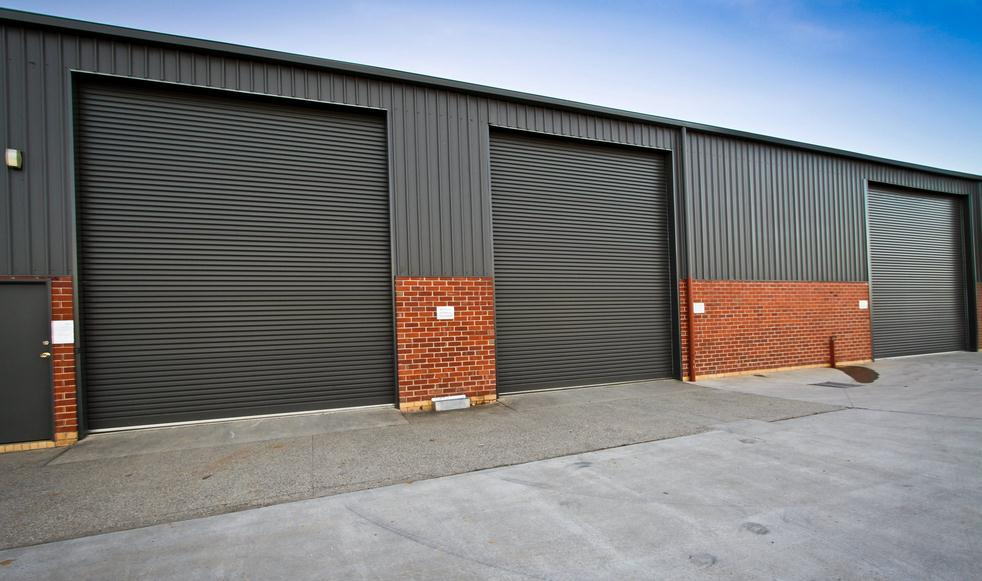
An aluminum rolling shutter is a vertically operating door made from interconnected aluminum slats or extruded profiles. When it opens, the curtain moves upward through side guide rails and rolls around a shaft above the doorway.
International buyers may call the same product an aluminum roller shutter, aluminium roller shutter, aluminium roller door, aluminium rolling shutter, aluminum roll shutter or roller shutter aluminium system. The names vary by market, but the basic principle is the same: a compact rolling curtain saves space while closing a commercial or industrial opening.
A complete system normally includes aluminum slats, guide rails, shaft, brackets, bottom rail, motor or manual operation device, control unit and safety accessories where required.
- Vertical rolling operation saves floor and side-wall space
- Aluminum profiles provide corrosion resistance and a clean appearance
- Manual operation can suit small openings
- Electric operation is usually preferred for larger or frequent-use doors
Why Choose Aluminum for Roller Shutter Doors?
Aluminum is widely used for rolling shutter doors because it provides a practical balance of weight, corrosion resistance and appearance. The lighter curtain can reduce load on the motor, shaft, bearings and supporting brackets, while the material naturally resists rust better than many conventional steel options.
For commercial facades, garages, warehouses and service entrances, powder coated or anodized aluminum profiles can also create a cleaner architectural finish. This makes aluminum rolling shutters useful where buyers need both daily access control and a professional building exterior.
- Excellent corrosion resistance for humid, rainy or coastal environments
- Lightweight curtain construction for smoother movement
- Color and surface finish options for commercial buildings
- Compact overhead coil for limited-space openings
Common Industrial and Commercial Applications
Aluminum rolling shutters are used across many B2B projects because the door closes securely without needing a large swing radius or side sliding area. Warehouses and factories often use them for vehicle access, workshop entrances, equipment rooms and storage areas.
Commercial buildings, retail storefronts, service rooms, garages and parking entrances may choose aluminium roller doors for their compact structure and modern appearance. For storefronts or parking areas that need airflow or partial visibility, perforated or ventilated profiles may also be considered.
- Industrial warehouses and logistics buildings
- Factories, workshops and manufacturing facilities
- Commercial buildings, showrooms and service entrances
- Retail storefronts and after-hours security closures
- Garages, parking areas and utility openings
View aluminum rolling shutter products Compare aluminium roller doors with steel roller doors
Manual vs Electric Aluminum Roller Shutters
Manual aluminum roller shutters are usually suitable for smaller openings or locations where the door is opened only occasionally. They have a simple structure, lower initial cost and do not rely on normal electrical operation.
For larger industrial doors, commercial entrances and frequently used openings, electric aluminum rolling shutters are normally more convenient. Motorized systems can use push buttons, remote controls, key switches, access control, radar sensors, vehicle loop detectors or building management interfaces depending on the site workflow.
| Operation Type | Best Fit | Main Considerations |
|---|---|---|
| Manual aluminum roller shutter | Small openings and low-frequency use | Lower cost, simple maintenance and no normal power requirement |
| Electric aluminum rolling shutter | Larger doors, warehouses, garages and commercial entrances | Motor capacity, daily cycles, safety devices and control method must match the project |
Profile Options for Aluminium Roller Doors
Not every aluminium roller door uses the same curtain profile. The profile should be selected according to security level, opening size, wind exposure, insulation needs and appearance requirements.
Single-layer profiles can suit basic closure and cost-sensitive projects. Double-layer or insulated profiles can improve rigidity and thermal performance. Perforated or ventilated profiles may be useful where airflow or partial visibility is required while the shutter remains closed.
- Single-layer aluminum profiles for lightweight basic closure
- Double-layer profiles for improved rigidity
- Insulated profiles for better thermal performance
- Perforated or ventilated profiles for airflow and partial visibility
Aluminum Rolling Shutter vs Steel Roller Shutter
Aluminum roller shutters are often chosen for lower weight, corrosion resistance, smoother daily operation and architectural appearance. Steel roller shutters may be preferred where maximum mechanical strength, heavy-duty security or severe wind resistance is the first priority.
Material alone should not decide door performance. Buyers should evaluate profile geometry, guide rail strength, shaft size, motor capacity, safety devices, installation quality and the actual building environment before choosing between aluminum and steel.
Aluminum Rolling Shutter vs High-Speed Door
A conventional aluminum rolling shutter focuses on security, space-saving closure, durability and building access. A high-speed door focuses on rapid opening cycles, traffic efficiency, environmental separation, dust control and temperature control.
For a warehouse opening used a few times per day, an aluminium roller shutter may be sufficient. For a busy logistics passage where forklifts pass hundreds of times per day, a dedicated high-speed door may provide better operational efficiency.
Learn how to choose a high speed door Read the aluminum roller shutter installation and maintenance guide
Key Safety Features
Safety is especially important for automatic rolling shutter doors. Depending on the application and local requirements, an aluminum roller shutter may include a pressure-sensitive safety edge, photoelectric sensors, emergency manual operation and warning lights.
For industrial sites with forklifts, trucks or pedestrian traffic, safety devices should be discussed during specification rather than added as an afterthought. The correct configuration depends on doorway usage, risk level and control method.
- Safety edge to detect obstruction during closing
- Photocell sensors for vehicles, people or objects in the opening
- Emergency manual release or hand-chain operation
- Warning lights for traffic-heavy industrial environments
How to Select the Right Aluminum Rolling Shutter
A reliable aluminum rolling shutter is not defined only by the slat. The complete door system should match the opening size, wind load, operating frequency, security requirement, surface finish, motor configuration and installation environment.
Before requesting a quotation, provide accurate opening width and height, quantity, indoor or outdoor location, building application, approximate daily cycles, manual or electric operation preference, required color, power supply and any wind resistance or safety requirements.
- Opening width and height
- Indoor or outdoor installation
- Expected daily operating frequency
- Wind exposure and required security level
- Manual or electric operation
- Control method, color and surface finish
- Project location, drawings or site photos
Installation and Maintenance Considerations
Correct installation is essential for long-term reliability. The installer should confirm the supporting structure, headroom, side clearance, wall condition and electrical access before fixing the guides, brackets, shaft and motor.
Guide rails must be vertical and aligned to avoid excessive friction, noise, uneven curtain movement and increased motor load. After installation, the complete system should be tested through full opening and closing cycles, including limit switches, safety devices and emergency operation.
Routine maintenance should include cleaning the guide rails, removing dust and debris, inspecting slats and fasteners, checking motor operation, testing photocells and safety edges, and listening for unusual vibration or noise.
FAQ About Aluminum Rolling Shutters
Are aluminum roller shutters suitable for industrial buildings? Yes. They can be used for warehouses, workshops, factories, equipment areas and garages, provided the profile, motor, guides and shaft are selected according to the opening and operating conditions.
What is the difference between aluminum roller shutter and aluminium roller shutter? There is no fundamental difference. Aluminum is the common American English spelling, while aluminium is used in British English and many international markets.
Can aluminum rolling shutters be automated? Yes. They can be equipped with motors, push buttons, remote controls, access control systems, sensors and other activation devices.
Are aluminium rolling shutters insulated? Some are. Standard single-layer profiles have limited insulation, while double-layer or insulated profiles can provide better thermal performance.
Aluminum Rolling Shutter Solutions from Anjie Door
Anjie Door provides industrial and commercial door solutions for warehouses, factories, workshops, logistics facilities, garages and commercial buildings. For aluminum rolling shutters, the right configuration can be selected according to opening dimensions, operating frequency, installation environment, automation requirements and project-specific conditions.
If you are planning an industrial or commercial entrance project, send the opening dimensions, quantity, application, project location and required operating method to Anjie Door for technical evaluation and quotation.
 Aluminum Rolling ShutterVIEW PRODUCTS