
Sliding Cold Storage Doors: Manual, Electric and Automatic Solutions for Cold Rooms and Freezers
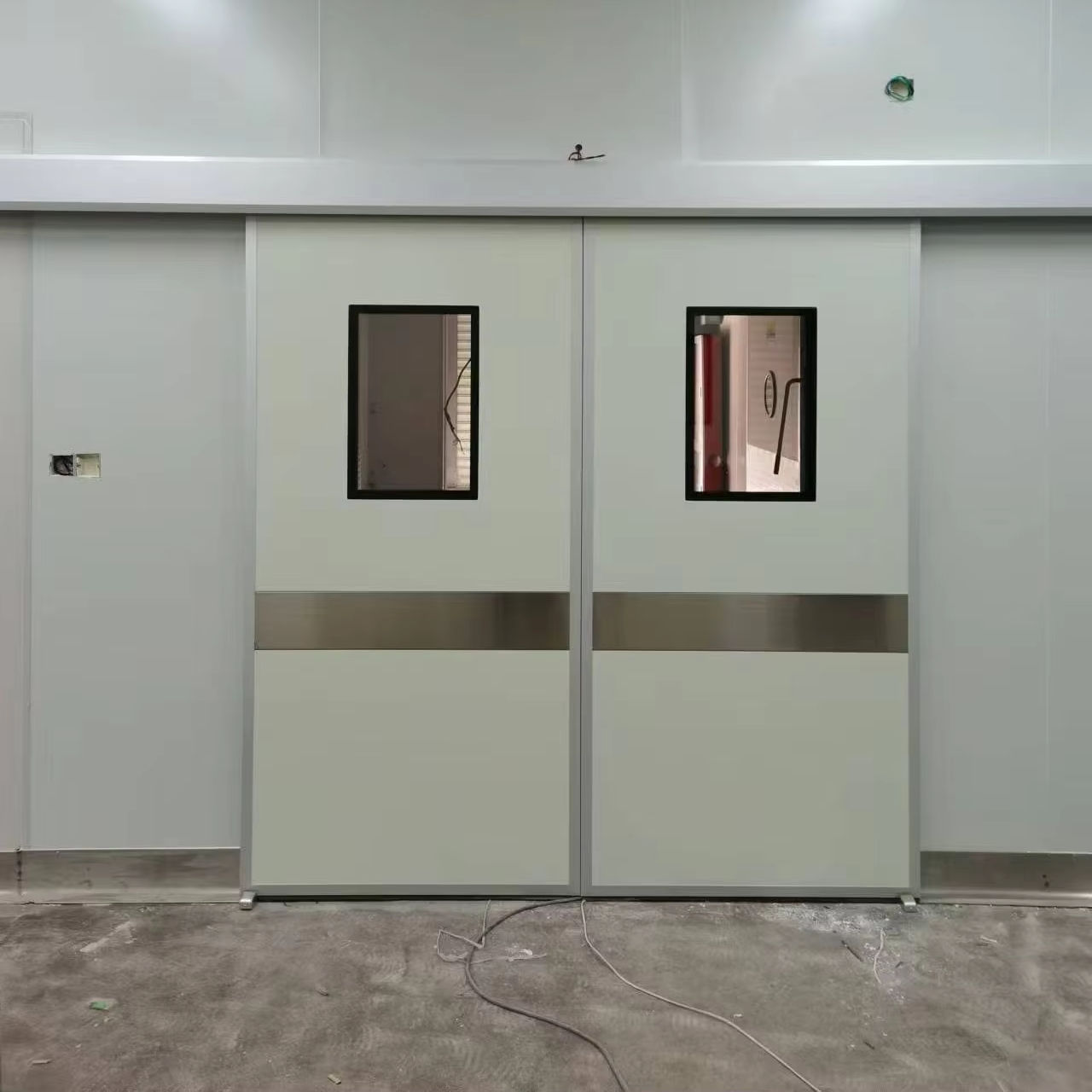
What Is a Sliding Cold Storage Door?
A sliding cold storage door is an insulated door panel that moves horizontally along a track beside a cold room or freezer opening. When closed, the panel should press against the perimeter seals to reduce air leakage and heat transfer.
Buyers may search for a horizontal sliding freezer door, manual sliding cold room door, electric sliding cold storage door, automatic sliding refrigeration door, sliding cold room door or auto sliding freezer door. These terms describe related insulated sliding systems for temperature-controlled facilities.
A complete sliding system may include an insulated panel, sliding track, rollers, frame, seals, handles, guide components, manual or electric drive, anti-frost heating for freezer use and safety devices for automatic operation.
Why Sliding Doors Are Common in Cold Storage Facilities
Cold storage facilities often need wide openings for pallets, trolleys, forklifts, processing equipment and high-volume goods movement. A hinged insulated panel becomes harder to handle as the opening becomes larger.
A sliding cold room door moves sideways instead of swinging into the working area. This saves floor space around the doorway and provides a clear passage for material handling.
- Better use of floor space around the entrance
- Suitable for larger insulated panels
- Convenient for pallets, trolleys and forklifts
- Available in manual, electric and automatic configurations
Read the complete Cold Storage Doors guide View Cold Room Sliding Door product details
How a Horizontal Sliding Freezer Door Works
A horizontal sliding freezer door moves laterally along a track mounted above the opening. For cold storage applications, simply sliding sideways is not enough. The closing mechanism should help the panel compress against the seals during the final stage of closing.
This sealing action is important because air leakage around the perimeter can reduce thermal performance and increase condensation risk. For freezer applications, heating or anti-frost measures may also be required to keep the door operating reliably.
Manual Sliding Cold Room Door
A manual sliding cold room door is operated by personnel using a handle rather than an electric motor. It can be suitable for small and medium cold rooms, food storage rooms, restaurant storage, meat processing rooms, dairy storage and low-frequency warehouse entrances.
Manual operation offers simple construction, lower initial investment, fewer electrical components and easier maintenance. The key limitation is door size: as the insulated panel becomes larger and heavier, manual operation can become less convenient.
- Simple operation for low-frequency entrances
- Lower initial cost than electric systems
- No normal motor drive required
- Best for manageable panel sizes
Electric and Automatic Sliding Refrigeration Doors
An electric sliding cold storage door uses a motorized drive system to open and close the insulated panel. It is useful for larger openings, frequent operation, forklift traffic, industrial cold storage, refrigerated warehouses and food processing production lines.
An automatic sliding refrigeration door combines electric movement with an activation device. Sensors, pull cords, remote controls, push buttons, access control or vehicle detectors can trigger the door without the operator manually moving the panel.
Electric operation means the door has a motorized drive. Automatic operation usually means that motorized drive is connected to a hands-free or semi-hands-free activation method.
| Operation | Typical Use | Main Benefit |
|---|---|---|
| Manual sliding cold room door | Smaller openings and low-frequency access | Simple and economical |
| Electric sliding cold storage door | Larger openings and frequent daily operation | Easier movement of heavy insulated panels |
| Automatic sliding refrigeration door | Forklift routes and hands-free access | Improved traffic efficiency |
Auto Sliding Freezer Door for Low-Temperature Facilities
An auto sliding freezer door must combine automation with reliable low-temperature performance. Compared with a chilled room door, freezer applications need greater attention to insulation, sealing, condensation, frost, ice formation, heated frames, low-temperature hardware and safety.
Automatic operation can improve traffic flow, but the system must remain dependable in the actual freezer environment. Temperature, humidity, opening frequency and activation method should all be confirmed during specification.
Panel, Track and Seal Construction
The insulated panel is the main thermal barrier of a sliding cold storage door. A typical sandwich panel uses exterior and interior protective sheets with PU or PIR insulation inside. Panel thickness should be selected according to operating temperature rather than simply choosing the thickest option.
The sliding track is one of the most important mechanical components. It should provide smooth movement, stable support, accurate alignment, controlled closing and reliable sealing. Poor track alignment can cause friction, difficult operation, uneven sealing and premature wear.
Sealing should provide continuous contact around the top, sides and bottom. For sliding doors, the closing mechanism should move the panel into the sealing position, not just leave it parallel to the wall.
Safety Systems for Automatic Sliding Doors
Automatic sliding refrigeration doors should include suitable safety devices according to the traffic environment. Photocells can detect objects in the doorway, safety edges can respond to contact during closing, and emergency stop functions can support industrial safety procedures.
Warning lights may improve awareness around forklift entrances, while manual emergency operation allows the door to be moved if normal electrical power is unavailable. The required safety configuration depends on traffic type and project requirements.
- Photocell sensors
- Safety edges
- Emergency stop
- Warning lights
- Manual emergency operation
Applications of Sliding Cold Storage Doors
Cold-chain warehouses commonly use sliding doors between storage zones and working areas where pallets and forklifts need a larger clear opening. Frozen food warehouses may use horizontal sliding freezer doors with insulation, sealing, heating and low-temperature hardware.
Meat, seafood, dairy and food processing plants often contain multiple temperature zones. Sliding doors can separate chilled storage, frozen storage, processing areas, packaging rooms and dispatch areas while keeping the opening practical for trolleys or forklifts.
Pharmaceutical cold storage facilities may use sliding insulated doors where larger access openings are required, but door selection should be coordinated with the overall temperature-control design.
Sliding Cold Storage Door vs Hinged Cold Room Door
A hinged cold room door is often the better choice when the opening is relatively small, personnel access is the primary requirement, swing space is available and a simple economical solution is preferred.
A sliding cold storage door is usually better when the opening is larger, floor space around the entrance matters, pallets or trolleys use the doorway, forklift traffic is present, or electric and automatic operation are preferred.
Installation and Maintenance Requirements
Before ordering a sliding cold storage door, check side clearance, headroom, wall strength, floor condition and electrical supply. A common mistake is designing the cold room opening without reserving enough lateral wall space for the door panel.
Regular maintenance should include cleaning the sliding track, inspecting rollers, checking fasteners, confirming panel alignment, inspecting perimeter and bottom seals, testing heating cables, checking motor operation and testing safety devices.
- Confirm side clearance for the sliding panel
- Reserve headroom for track and hardware
- Check wall strength and fixing points
- Verify floor level and bottom seal compatibility
- Test motor, limits, sensors and emergency operation
Quotation Information Buyers Should Provide
To receive an accurate quotation, provide opening width, opening height, quantity, cold room or freezer temperature, ambient temperature, manual or electric preference, daily opening frequency, traffic type, surface material, side clearance, headroom, power supply and required safety devices.
For an auto sliding freezer door, also provide information about humidity, traffic frequency and the preferred activation method. Drawings or site photographs can make technical confirmation much faster.
Frequently Asked Questions
What is a sliding cold storage door? It is an insulated door that moves horizontally along a track beside a cold room or freezer opening.
Is a manual sliding cold room door easy to operate? A properly designed manual sliding cold room door should move smoothly, but ease of operation depends on panel size, weight, track quality, roller design and installation.
Can a sliding cold storage door be electric? Yes. An electric sliding cold storage door uses a motorized drive to open and close the insulated panel.
Can the door open automatically for forklifts? Yes. An automatic sliding refrigeration door can use sensors, pull cords, remotes, vehicle detection or access control.
Can sliding doors be used for freezers? Yes. A horizontal sliding freezer door can be designed for low-temperature applications with suitable insulation, sealing, heating and hardware.
Sliding Cold Storage Door Solutions from Anjie Door
Anjie Door provides insulated sliding door solutions for cold rooms, freezer rooms, refrigerated warehouses, food processing facilities and cold-chain logistics applications.
Depending on the project, the door system can be configured as a manual sliding cold room door, electric sliding cold storage door, automatic sliding refrigeration door or auto sliding freezer door. Provide drawings, opening dimensions, temperatures and operating conditions for accurate technical evaluation.
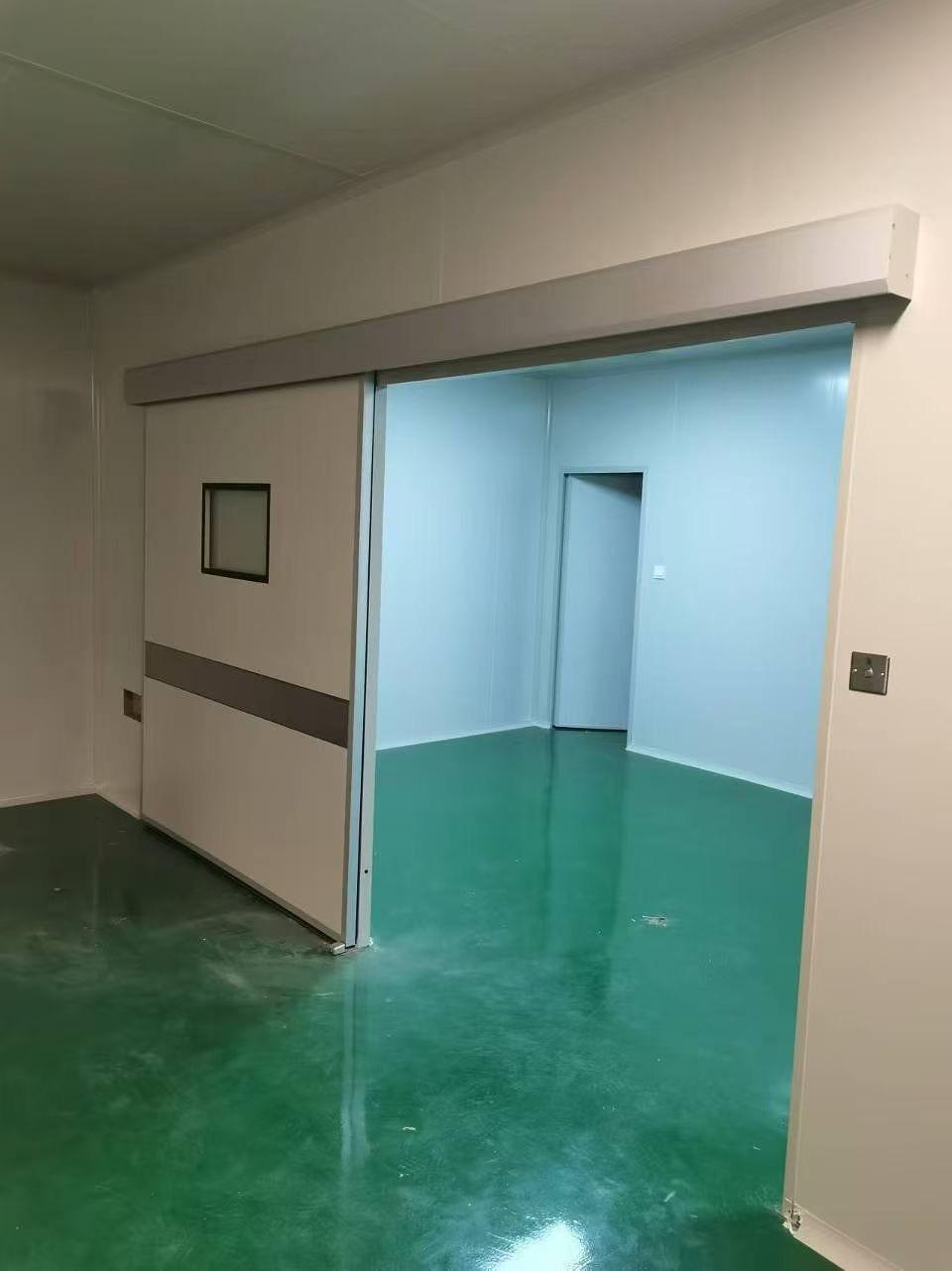 Cold Room Sliding DoorVIEW PRODUCTS